An Interview with Allyson Koekhoven
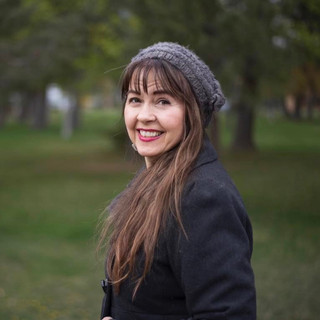

Allyson Koekhoven lives in a small village on the East Coast of South Africa with her husband and two boisterous dogs. She has two grown-up daughters, both in the medical field, and one grandson. She is a business-to-business content creator by day and a novelist after hours.
What inspired you to write stories?
I’ve always loved stories—both reading them and imagining my own. I announced to my parents, when I was just six years old, that I was going to write a novel one day. Sadly, my dad passed away before I finished my first book in 2022. Happily, my mom read this book, but also sadly passed away before I finished The Runaway’s Redemption and The Executive’s Dilemma. For me, writing began as a natural extension of observing life, people, and God’s work in the world. Over time, it became a way to explore character, faith, and redemption in a deeper way, while also telling stories that entertain and encourage readers.
Was there a particular moment or experience that led you to explore writing fiction?
I think it was a combination of things. Growing up, I loved imagining “what if?” scenarios, and later in life, I realized that my experiences—both the joyful and challenging—could be woven into stories that might help or inspire others. My love for cozy mysteries and clean Christian fiction naturally led me to experiment with writing in those genres.
How has your faith influenced your writing?
Faith is at the heart of everything I write. It informs my characters’ decisions, the challenges they face, and the redemptive arcs in my stories. Even when the narratives are suspenseful or dramatic, I strive to show God’s grace and presence subtly, letting readers see hope and encouragement threaded through the story.
How have your life experiences shaped your writing? Do any of these experiences make their way into your books?
Absolutely. My experiences juggling multiple roles—author, PR professional, event organizer—have given me insights into human nature, ambition, and perseverance. I also draw on my travels, local South African settings, and observations of everyday life to make my worlds feel authentic. My characters often face moral and emotional challenges that mirror real-life struggles, which helps readers relate to them.
Tell us a bit about The Executive's Dilemma and how it fits into the Our House on Heather Wynd series. What can readers expect from this story?
The Executive’s Dilemma follows Riley Scheepers, a successful but arrogant marketing manager from South Africa, who is sent to the Scottish Highlands after a scandal threatens her family’s reputation. Set in the charming village of Bieldfell, the story explores themes of humility, forgiveness, and belonging. Readers can expect heartfelt character growth, light humour, spiritual reflection, and a sense of home that’s both physical and emotional.
What was the inspiration behind The Executive's Dilemma? Did any personal experiences or events influence the story?
The story was inspired by my love for the Scottish Highlands (my late mom was born in Aberdeen, and I still have family there), small village life, and the idea of a “fish out of water” scenario that challenges a character to grow. I also drew on experiences of navigating professional setbacks, ethical dilemmas, and spiritual reflection—things I think many readers can identify with.
How do these themes play a role in your story, and how do they reflect your personal beliefs? Themes like forgiveness, humility, and trust in God are central to the story. They’re woven into Riley’s personal journey as she learns that achievements alone don’t define worth and that embracing grace can lead to transformation. These themes reflect my belief that God’s guidance and love are accessible in everyday life, even during trials.
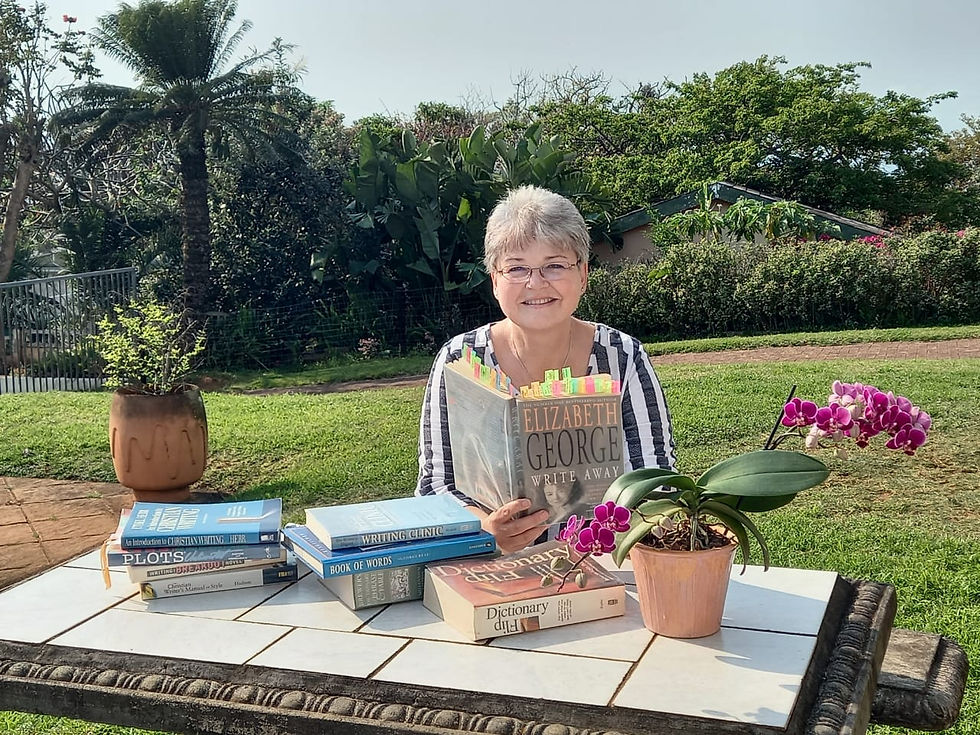
How do you develop characters in your books? What qualities do you focus on to make them relatable to readers?
I focus on creating multidimensional characters—flaws, quirks, strengths, and doubts. I like to show them wrestling with choices, relationships, and faith, because that’s relatable to real life. By grounding characters in reality and layering in internal and external conflicts, I aim to make them feel authentic and engaging.
What role does the concept of “home” or “belonging” play in the Our House on Heather Wynd series, and how is it explored in The Executive's Dilemma?
Home, both as a place and a state of belonging, is central. In The Executive’s Dilemma, Riley’s physical relocation to Bieldfell mirrors her internal journey toward spiritual and emotional grounding. Readers see how community, friendship, and faith intersect to create a sense of belonging, which is something I believe is essential for all of us.
What advice would you give to aspiring writers who feel called to write stories with a strong Christian message but aren’t sure how to begin?
Start with stories you care about and characters you love. Don’t worry about being perfect—focus on authenticity and letting your faith shine naturally through the narrative. Read widely, write consistently, and seek feedback from people who understand both your genre and your audience. Prayer and reflection can guide both your writing process and the messages you want to convey.
What can readers expect next from you? Are there any upcoming projects, new books, or continuing stories you’d like to share?
I’m continuing to develop the Our House on Heather Wynd series. For 2026, I’ll be contributing a new story set in South Africa—I’m currently brainstorming the plot and excited to explore fresh characters and themes. At the same time, I’m busy writing the sequel to my first book—Under Construction. High Jinx is a cozy mystery, and the first in a three-book series featuring Adine du Toit, and the sequel will continue her journey with more suspense, red herrings, and redemptive arcs.
How do you hope your books, particularly The Executive's Dilemma, will impact your readers?
I hope readers are encouraged, inspired, and reminded of God’s presence in everyday life. I want my books to spark reflection, nurture hope, and provide entertainment, without compromising spiritual depth. Ultimately, I want readers to walk away feeling both uplifted and connected to the characters’ journeys.
In your opinion, what is the role of fiction in nurturing faith and hope in today’s world, and why is it important for Christian authors to contribute to this genre?
Fiction has the power to show faith in action. It allows readers to experience hope, perseverance, and grace through stories that mirror real-life struggles and triumphs. Christian authors contribute by providing narratives that illuminate truth, encourage reflection, and remind readers that faith can guide decisions, foster resilience, and bring light in challenging times.
Readers can reach Allyson here: https://linktr.ee/allysonkoekhoven_writes
Here's the link to all the Our House on Heather Wynd books: https://amzn.to/46HWB0O


Comments